Friday, January 18, 2019

gene vs nutrition an ununderstandable battle

   A gene is the biological unit of heredity. Some genes act as instructions to make molecules called proteins gene is has unit of segments that contains information which contribute to certain characters of body (like height,shape,color) gene contains necessary information for living,to survive,and to reproduce.when a gene express the encoded information in gene is used to synthesis protein.


 Nutrition is nourishment or energy that is obtained from food consumed. An example of nutrition is the nutrients found in fruits and vegetables.


GENE VS NUTRITION


Genes are the units of heredity and nutrition is the source of energy.GENE ↭NUTRITION can you co-relate these two term?common terminology used when we talk about gene is heredity,heredity is the passing of traits(any characters) from parents to their offspring, through sexual reproduction, the offspring of next generation acquire the genetic information of their parents. gene work as instructor, that has some information used to make up the body's structure.
gene makes up our body configuration,it is partial correct.information inside gene can not express until it is provided by some extra source which is nutrition it maybe in the form of heat or any other form.every gene gain some nutritional source from the body during their processing stage,let us take a example,

suppose a gene is expressing in the body and that gene has a main role in muscle formation(myostatin gene),now this gene has all required information about muscle,now gene expressed and certain gene products are formed at the end, these product work mainly as map or flowchart because they do not have any nutritional source,like when we ask Cooley to drop our luggage at our residence,for work they demand money,like this for building the different body muscles(heart muscle,skeleton muscle,smooth muscle etc)they should contain some energy source.so how does this information comes into existence?have you ever think about it? Yes or NO? what is the mysterious force that working behind the gene?NUTRITION! REALLY? YES !
   you heard it right,nutrition is key force that really work hard to get this encoded information comes out into existence! let's continue with our muscle example,so gene encoded information about muscle,protein start designing→ shape of muscle,size of muscle,so from where does the protein come, cytoplasm of cell.amino acid present in the cytoplasm,amino acid is the basic unit of protein. during digestion the food we eat are digested by enzymes into simpler form,and these smaller form are absorb by our body cell.so it means if body nutrition level is deprived gene can not express itself properly and our body show dis formalities(mutation concept is not included) .gene need some extra to express itself so why to consider gene as only unit of determining body structure?


Tuesday, January 15, 2019

haemoglobin/A loose connective tissue

          HAEMOGLOBIN(A LOOSE CONNECTIVE TISSUE)


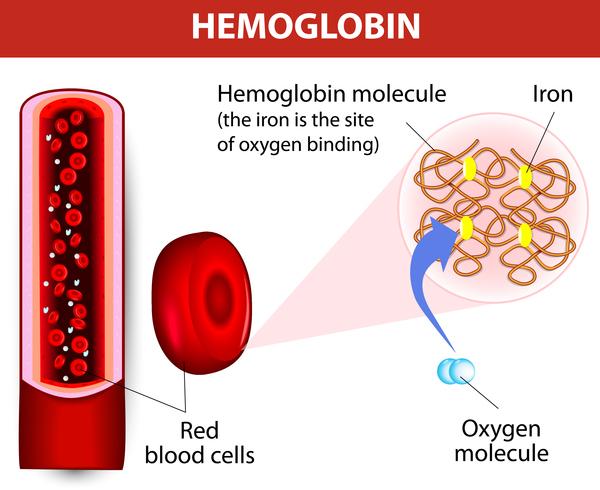
haemoglobin is the iron containing protein present in red blood cell of all living organism(especially in vertebrates).haemoglobin is red colored pigment which is due to heme(a component of hemoglobin structure)
haemoglobin is made up of two subunits( HEME+GLOBIN). Heme is iron containing pigment part and Globin is protein part of HEMOGLOBIN molecule.
the main function of haemoglobin is to  carries oxygen from the lungs to the tissues and carbon dioxide from the tissues back to the lungs.It also functions as a buffer in the regulation of acid base balance.
A haemoglobin is a  complex substance consisting of  protein and pigment part heme and a protein, globin.The protein portion of each of these chains is called globulin. The globin parts has two chains parts a and b globin chains and they are very similar in structure. The globulin is a conjugated protein and heme contains iron in ferrous state.Haemoglobin contains four polypeptide chains namely two alpha and two beta chains. Each of the four chains unites with a heme group resulting in a haemoglobin molecule. 

SYNTHESIS OF HAEMOGLOBIN MOLECULE:


Haemoglobin (Hb) is synthesized by many series of steps.
 globulin protein parts are synthesized by ribosomes(present in cell cytoplasmor a cell organelle) and the heme part is synthesized in the mitochondria of cell.

FORMATION:


formation of Hb(inside RBC) continues in the cell throughout its early development from the erythroblast,pro-erythroblast to the reticulocyte in the stem cell(continue dividing cell).the site of production of RBC is vary from stage to stage of life like in embryo stage bone marrow,liver is the main site of haemoglobin synthesis then after birth long bones took their duty. in reticulocyte stage, the nucleus is lost in mammalian red blood cells(, but not in birds and many other species. the main purpose of nucleus disintegration is too increase the amount of oxygen carry capacity of RBC, that is why RBC called as enucleated cell(loss of nucleus during it's development)

FACTOR AFFECTING HEMOGLOBIN SYNTHESIS:

The amount of Hb in the blood is influenced by: 
  1. Age:Haemoglobin content in young one is high,because of requirement of high nutrition and oxygen to actively dividing cell of body to maintain growth and production, then old one.
  2.   muscular activity: increase in muscle tension increase oxygen and nutrition uptake, for the good amount of supply, body form high amount of RBC .
  3.  season: season affect RBC synthesis in term of heat exchange,in cold weather body loose their heat more than hot weather.
  4. altitude: in high altitude oxygen level is low,to maintain body oxygen level RBC content is increased by multiple fold.
  5. trauma: any trauma or injury to body lead to loss of blood from body and RBC content of body decline.
  6. Erythropoietin Hormone: stimulate RBC production by stimulating stem cell of body(bone marow cell)


Types of  hemoglobin :
Based on physiology, the hemoglobins are 2 type, adult hemoglobin and fetal hemoglobin.the Hb are also classified as HbA, HbB, HbC and HbF. Human beings show three types of Hb, HbA (98%), HbA2 (2%) in the adult and HbF in fetus and new born. HbF has higher affinity for O2. In human and animal fetal hemoglobin (HbF) is replaced by the adult types with in 4 to 8 weeks after birth. 
 HbS is responsible for sickle-cell anaemia in some race. HbC and HbE cause failure of synthesis of alpha or beta chains thus results in alpha or beta thalassemia.

DERIVATIVE OF HEMOGLOBIN:


  • Oxyhemoglobin:
hemoglobin has an important relationship with oxygen. Oxygen forms reversible combination with hemoglobin called oxy-Hb, when RBC passing through lungs, since there are four ferrous atoms in the hemoglobin molecule,and four molecules of oxygen are transported by a molecule of hemoglobin.As blood is transported through the systemic circulation hemoglobin loses its oxygen to the tissues.The oxygen carrying capacity of the hemoglobin is dependent on the pigment it contains which in turn depends on the iron content for oxygen combining capacity.


  • Myoglobin:

It is a true hemoglobin and functions to store oxygen in the muscle. It contains only one heme and a polypeptide chain. It contains only one iron atom and can therefore store only one molecule of O2.

  • Carboxyhemoglobin
Hb has 200 times more affinity for carbon monoxide than oxygen.


  • Methemoglobin 
It is formed by the oxidation of ferrous iron to ferric iron. During the circulation of blood methemoglobin is formed by the oxidation of ferrous iron to ferric iron. Ferrihemoglobin cannot combine with oxygen, hence is useless as a respiratory pigment in the blood. It produces dark colored blood.

Monday, January 14, 2019

protein a major bio molecule for body

                                    PROTEIN IS ESSENTIAL💫


protein is essential  bio molecule present in body.Protein is considered as major body building molecule of life.Protein is made up of different amino acid that are attached to one another by peptide linkage in form of long chain. protein is most abundant kind of bio molecule,main structural and functional molecule in living organism. protein can be found in all cells of body especially muscle cells.Hair and Nails are mostly made up of protein.
Body use protein as a source to build up cells or tissues and repairs in case of any injury to cell.


FUNCTIONS OF PROTEIN MOLECULE:


  1.  enzymes involved in the biochemical reactions in the body are protein in nature.
  2. Many hormones are proteins in nature. 
  3. With DNA molecules, where it controls the gene transcription and translation.
  4. Proteins are involved in the transport processes. Example: Hemoglobin in RBC involved in the transport of oxygen. 
  5. Immunological effects :Proteins have protective role in the body. example: Immunoglobulins are proteins that protect living organism against bacterial and viral infections.
  6. Structural proteins like collagen and elastin provide structural strength and elasticity to organs.
  7. Some proteins are used as nutrients example: casein of milk are used as nutrients.
  8. Proteins are involved in the maintenance of osmotic pressure of plasma.
  9. Some proteins like actin and myosin are involved in the contraction of skeletal muscles.
CLASSIFICATION OF PROTEINS:
protein can be classified on basis of solubility and physical properties:

  • simple protein:simple protein on hydrolysis form amino aciod as end product.
they are still divided into:

  • AlbuminsThese proteins are soluble in water coagulated by heat

  1. Globulins: These proteins are insoluble in pure water, but soluble in dilute salt solutions. .


  • conjugated protein:these are simple protein which attaches with non protein part example prosthetic group
  • NUCLEOPROTEIN: simple protein in association with DNA and RNA.example: chromosome
  • GLYCOPROTEIN: simple protein in association with glucose.example: mucin
  • LIPOPROTEIN: simple protein in association with lipids.example: cholestrol
  • PHOSPHOPROTEIN: simple protein in association with phosphorus.example: caesin


  • derived protein:these are the protein formed from simple and conjugated protein by some external energy.

protein on basis of shape:

  • fibrous protein: protein in which polypeptide chain coiled or extended to form linear fiber. fibrous protein mechanical strength to body.example: collagen, keratin etc
  • globular protein: protein in which polypeptide chain coiled itself in 3-dimensional structural.example :enzymes


SOURCES OF PROTEIN:


  • Egg: egg among most nutritious food well known,having good proportion of vitamin, minerals and certain antioxidant.
whole egg part are high in protein ,but egg white are almost pure protein.
  • Almonds:
    almonds has high fibre content, vitamin E.
  • Oats:
    oats are healthiest grain, they loaded with high fibre,vitamin B1 and several other nutrient.
  • Milk
    : milk is highly nutritious and excellent source of high quality protein.milk include almost all nutrient needed by human body.
  • Peas:
    high in fibre and low in fat. they are rich source of vegetable protein.


Sunday, January 13, 2019

want a good glowing skin?
EFFECTIVE NATURAL METHOD FOR GOOD GLOWING SKIN


Men and Women both desire ab perfect glowing skin which makes them attractive and beautiful in every day life,so it is very important to have a good skin.

our skin cell exfoliate like other body cell but they are more susceptible due to direct contact with environment.our skin cell is more fragile and exposing to polluted environment is always a huge risk to take.

WHAT ARE OTHER FACTORS THAT LEAD TO SKIN RELATED PROBLEMS BESIDE HARMFUL CHEMICALS? 

Smoking habits,drinking to much alcohol, lack of nutritional diet, to much U.V sun rays, pollution, lifestyle changes, lack of exercise etc all are lead to skin problems. so it is your choice to run away from them or slow down.
you can surely slow down the loss of glow from your skin by applying listed down tips:


  • CUCUMBER FOR GLOWING SKIN


REQUIREMENT:

  • Small pieces of cucumber
DO:

  1. rub it in your face slowly in circular manner or generate the thick paste of cucumber.
  2. apply it in your face for 15-20 minute and let dry.
  3. wash your face with mild warm water.
  4. Apply this remedy 1-2 time in a week.


DON'T:

  1.  avoid using too hot or cold water in face for rinsing product.


  • HONEY FOR GLOWING SKIN


REQUIREMENT:

  • Honey
DO:

  1. apply honey paste evenly on your face under eyes as well but avoid touching with eyes.
  2. massage it for 5-10 minute slowly without providing excess pressure.
  3. wash honey paste after 30-40 minute with warm water.

DON'T:

  1. avoid too hot or cold water for rinsing.


  • COCONUT FOR GLOWING SKIN


REQUIREMENT:

  • coconut or coconut oil
DO:

  1. lightly warm up coconut oil and evenly applied it in face.
  2. massage it for few minute in circular way and let it in face or overnight.

DON'T:

  1. do not put hot oil in face otherwise it will lead to small rashes in in face.
  2. avoid using excess of coconut oil.


  • ALOE VERA FOR GLOWING SKIN


REQUIREMENT:

  • Aloe Vera or Aloe Vera gel

DO:

  1. apply aloevera gel gently in your face and under eyes.
  2. make a paste of aloevera gel with 1 teaspoon of honey.mix it proper and apply in circular motion in face.
  3. leave it for 30 minute in face.
  4. rinse it with lukewarm water.

DON'T:

  1. avoid gel to come in contact with eyes during applying.
  2. avoid too hot and cold water for rinse up the paste


  • TURMERIC POWDER FOR GLOWING SKIN


REQUIREMENT:

  • 1 teaspoon of turmeric power
  • milk

DO:

  1. mix turmeric powder with equal amount of milk in a bowel and form a thick paste.
  2. apply this paste in your face.and leave for 20 minutes.
  3. rinse it with lukewarm water.


DON'T:

  1. don't add more amount of turmeric powder in the paste than required.
  2. don't add(Oils) coconut or almond oil in the paste.
  3. avoid too hot water in rinsing
MILK CREAM FOR GLOWING FACE


REQUIREMENT:
  • 3 teaspoons of milk cream
  • 1 teaspoon of honey

DO:
  1. apply milk cream directly on your face.
  • mix 3 teaspoon milk cream with 1 teaspoon of honey.
  • apply paste on face and massage in face with fingers in circular motion.
  • rinse face with lukewarm water.

DON'T:

  1. don't add honey in large amount.
  2. don't rub face hard.
  3. don't rinse with cold or hot water.


why iron is important for body?

WHY IRON MUST IN DIET?WHAT IT'S IMPORTANCE


iron(Fe) is mineral present in body mainly provided as supplement for body.Iiron is trace or  Micro minerals,trace minerals are those minerals that are pesent in low concentration (<70 mg/kg live weight) but are physiologically equally important to major minerals in body.

IMOPRTANCE OF IRON IN BODY


  • Formation of haemoglobin(iron binding protein)


MORE than 90 per cent of the iron in the body is combined with proteins, the most important being haemoglobin(oxygen carrying pigment) and myoglobin.
  • TRANSFERRIN

iron also occurs in blood serum in a protein called transferrin, which is concerned with the transport of iron from one part of the body to another.


  • FERRETIN 

Ferritin is a protein containing iron. It is present in the spleen, liver, kidney and bone marrow and provides a form of storage for iron.


  • BIOCHEMICAL REACTIONS

Iron has a major role in many of biochemical reactions, particularly in connection with enzymes of the electron transport chain (cytochromes).


  • ENZYMES FORMATIONS

various enzymes contain iron as prosthetic group or activated by iron.examples catalase, peroxidases, phenylalanine hydroxylase etc

  • DEFICIENCY OF IRON

Anaemia due to iron deficiency occurs most commonly in young one deprived from supplement, since the iron content of milk is usually very low.
Low oxygen to organ due to less RBC formations in body.

Saturday, January 12, 2019

get rid of being lazy

why am i lazy being?How to get rid of lazy habits?


if you're looking for tips to rid up from lazy habits,you're in damn right place.
here i listed some good habits for good morning routine which is also followed by me in daily basis.


are you lazy being? then follow these tips:


Sleep cycle :
sleep cycle is your daily routine of sleep,it is always recommend 6 hours of sleep in night good for a healthy working mind.if you don't you may be susceptible for many immunological disease.
WHAT TO DO ?

  • spend at least 6 hour in sleep at night.
  • follow a schedule for sleep.


Eating schedule :

continuous habit of eating spend lots of energy in digestion process.body decline in energy storage during digestion.

why we feel restlessness after eat?
this is due to blood supply in gastro intestinal tract is more during digestion then other organ, so they affected by decline in blood supply,no need to worry it is a natural body behaviour.

WHAT TO DO?

  • follow a pattern of eating.
  • breakfast should be heaviest in diet then lunch and least is dinner.


WAKE UP SCHEDULE:


we heard it from many past decades, early to bed and early to rise is good for health

WHAT TO DO?
make a schedule,a good range of sleep is enough for your body to carry work in proper way

Exercise :

exercise is one of the best idea to get rid from lazy habits,a proper schedule of exercise for a day helps you in making your day perfect in all respect.

WHAT TO DO?
rise up early and spend time with body.more the time you give to your body double in time your body give it back to you.

FOOD:


a healthy diet solve your all health related problems. avoiding healthy food and eating too much oily fried food a serious problem that lead body into lazy mode.

WHAT TO DO?
start eating a health diet from today, and avoid too much junk food.


VITAMIN A IN GENERAL

                                      Vitamin A


Vitamins are organic compounds required in tiny amounts for essential metabolic reactions in a living organism. Absence or deficiency of vitamins causes various biological disorders.


VitaminA comes under category of Fat Soluble Vitamin which are stored in natural body fat reservoir .
Functions of vitaminA

  1. Synthesis of glycoprotein to maintain structure of epithelial cells
  2. In bone formation synthesis of mucopolysacharides
  3. Synthesis of the visual pigment Rhodopsin
  4. Retinol and retinoic acid (RA) are essential for embryonic development during fetal development.


Symptoms show due to deficiency of Vitamin A are: 

Mild vitamin A deficiency may result in changes in the conjunctiva (corner of the eye) called Bitot's spots.

Severe or prolonged vitamin A deficiency causes a condition called xerophthalmia (dry eye)
Xerophthalmia is characterized by changes in the cells of the cornea that ultimately result in corneal opacity, keratinization of the cornea, corneal ulcers, scarring, and blindness
Vitamin A is needed for bone formation.
If vitamin A is deficient optic foramen is not formed properly.
Small size optic foramen leads to the constriction of optic nerve.
Vitamin A is involved in the formation and protection of epithelial cells.
Damage to epithelial cells can cause easy entry of pathogenic microbes leading to infection.
So infection of gastrointestinal tract, respiratory tract, urogenital tract and skin is common in Vitamin A deficiency
As vitamin A helps to prevent these infections it is called anti infective vitamin.
Vitamin A is commonly known as the anti-infective vitamin, because it is required for normal functioning of the immune system.
The skin and mucosal cells (cells that line the airways, digestive tract, and urinary tract) function as a barrier and form the body's first line of defense against infection
Vitamin A is essential for normal bone formation as it is involved in the synthesis of mucopolysacharides needed for laying down of the bone matrix.Hence a deficiency of vitamin A can lead to developmental bone deformities.
Normal levels of vitamin A are required for sperm production.
Similarly, normal reproductive cycles in females require adequate
availability of vitamin A.

deficiency of vitamin A can lead to infertility or sterility in male.
deficiency of vitamin A can lead to vaginitis, abnormal menstrual cycle, early embryonic mortality, abortion and defective formation of foetus in females.
One of the initial effects of vitamin A deficiency is elevated cerebrospinal fluid (CSF) pressure.
    The mechanism whereby the increase in CSF pressure is brought by thickened duramater leading to under absorptions of CSF.

    Toxicity of VitaminA
    The condition caused by vitamin A toxicity is called
    hypervitaminosis A.
    It is caused by over consumption of vitamin A.

    Symptoms include nausea, headache, fatigue, loss of appetite, dizziness, and dry skin.